Pipeline pigging remains essential for maintaining pipeline integrity, optimizing flow, and supporting inspection programs, but traditional launching methods often come with higher emissions, increased labour demands, and greater safety exposure. Automated pig launchers (APLs) offer a practical way to modernize these operations by reducing manual intervention, supporting remote launches, and helping operators manage pigging programs more efficiently.
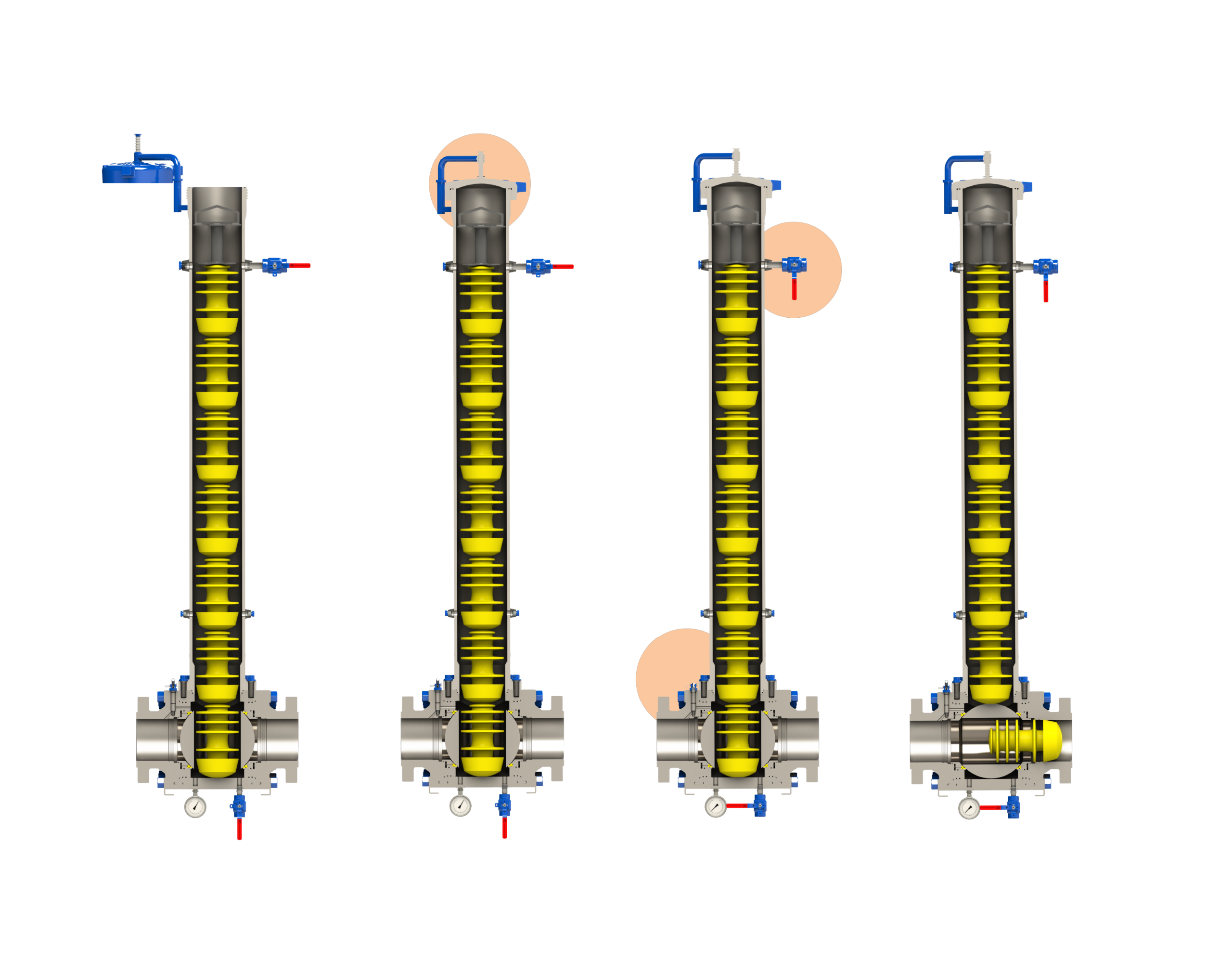
Unlike traditional single-pig launching systems, APLs allow multiple pigging tools to be preloaded and launched individually on command. This can reduce site visits, lower vented emissions per launch, improve operator safety, and make more frequent pigging programs more feasible — particularly for remote sites and operations facing growing regulatory and operational pressures.
Key topics covered in the full article:
- Why traditional pig launching methods are becoming harder to sustain in modern pipeline operations
- How automated pig launchers work and the core components of an APL system
- The operational and emissions benefits of automated pigging, including reduced venting and fewer site visits
- The main types of APLs: horizontal, inclined, and vertical designs
- Strengths, limitations, and suitability considerations for each APL configuration
- How automated pigging can support more proactive, data-driven pipeline maintenance in the future
In the following article, we explore how automated pig launching technology is helping modernize pipeline operations, improve safety and efficiency, reduce emissions, and support more practical long-term integrity management strategies.